Open Test Kitchen — Kitchen and Community Hub
Named after Oakland Bloom’s flagship program, Open Test Kitchen (OTK) is now also a restaurant, market and community space.
Through the brick-and-mortar space, we aim to create pathways to ownership for BIPOC, working-class, and immigrant/refugee chefs through just and equitable food systems rooted in cultural expression and economic empowerment. Chefs access:
- Affordable kitchen and storage space;
- Catering and other commercial opportunities (e.g. teaching gigs, chef demos, pop-ups, etc.) for chefs to experiement, and build experience while earning income, as they develop their businesses
- A community where chefs can experiment, innovate, and develop their businesses with support and collaboration one another
- Tool and equipment library
- Connections to experts and referrals to other services
At Open Test Kitchen, Oakland Bloom works with chefs to welcome people from across our communities, to take part in powerful cultural events and to learn about and directly support chefs in our community and direct local economies.
Learn more and find out about upcoming events here.
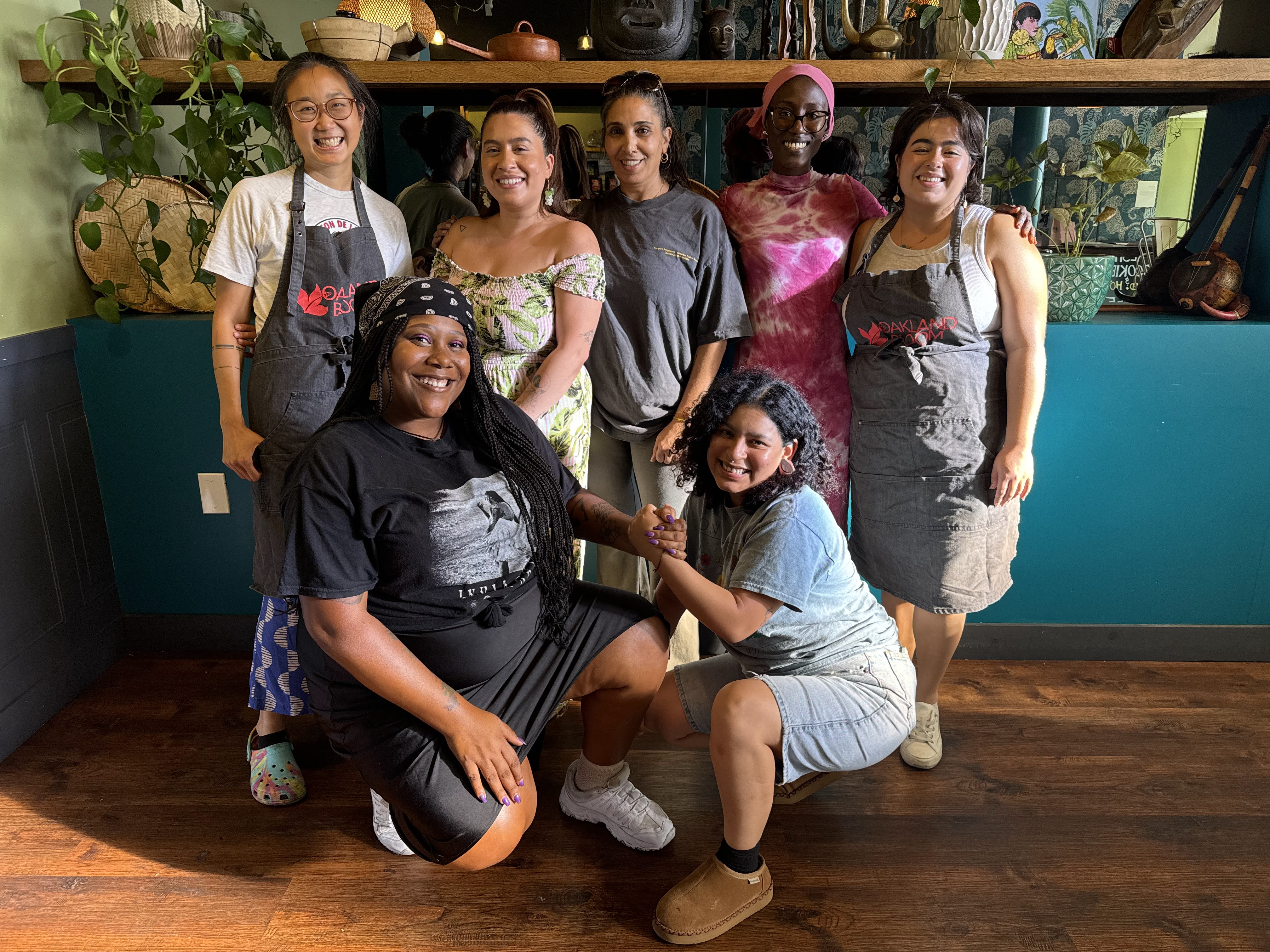
Collective Organizing and Ownership
Re-imagining Food Business Development
One of Oakland Bloom’s main goals as an organization is to reimagine what a healthy, inclusive and just food service industry could look like. We work toward advancing equity, accessibility, and worker rights through the development of collectively organized food businesses that embody community principles and values, and operate in ways that hold space for BIPOC and traditionally marginalized communities.
Via Open Test Kitchen, which launched in September 2024, we are building a community-based food model led by and for working class chef-entrepreneurs. This brick-and-mortar space is led by and designed for chefs to grow their businesses, access opportunities, and use food to foster community relationships across backgrounds and languages. Oakland Bloom works with a community of chef members who are establishing a collective model for growing their businesses in community with one another, through our share space and values.
Day-to-day, Open Test Kitchen is co-managed by anchor businesses Café con Cariño and ASÚKAR, alongside Oakland Bloom. This co-management model aims to ensure decisions are rooted in the lived experiences of chefs and cultivate community accountability for the space as a hub for local artists, youth groups, food justice practitioners, small businesses, and neighborhood residents, among others.
Our programming grows out of our experiences and lessons from our first collective restaurant project Understory (2020-2024) for which we were awarded a 2022 James Beard Emerging Leadership Award,
Program Goals + Services toward Collective Ownership:
- Ongoing back-end support services in: finance, infrastructure development, lease management, legal entity structures, HR, bookkeeping, operations, and more
- Community building and healing work among members for a strong foundation of principles, relationship, accountability and conflict management
- Strategic planning and work sessions for collective development with the chef community – this includes defining key cooperative principles, operating agreement, etc.
- Cooperative funding opportunities + fundraising support
- Coordinating opportunities for Oakland Bloom chef members.
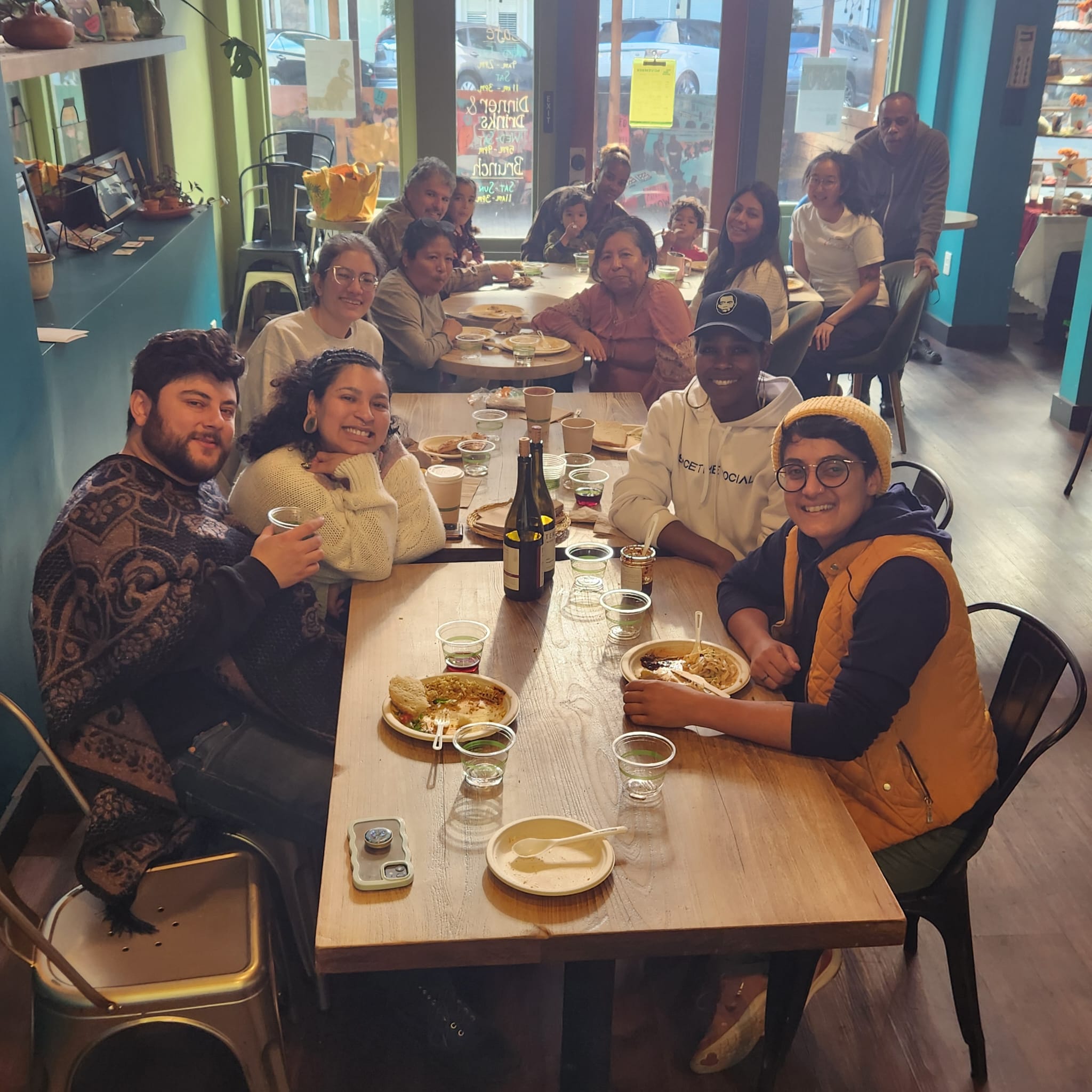
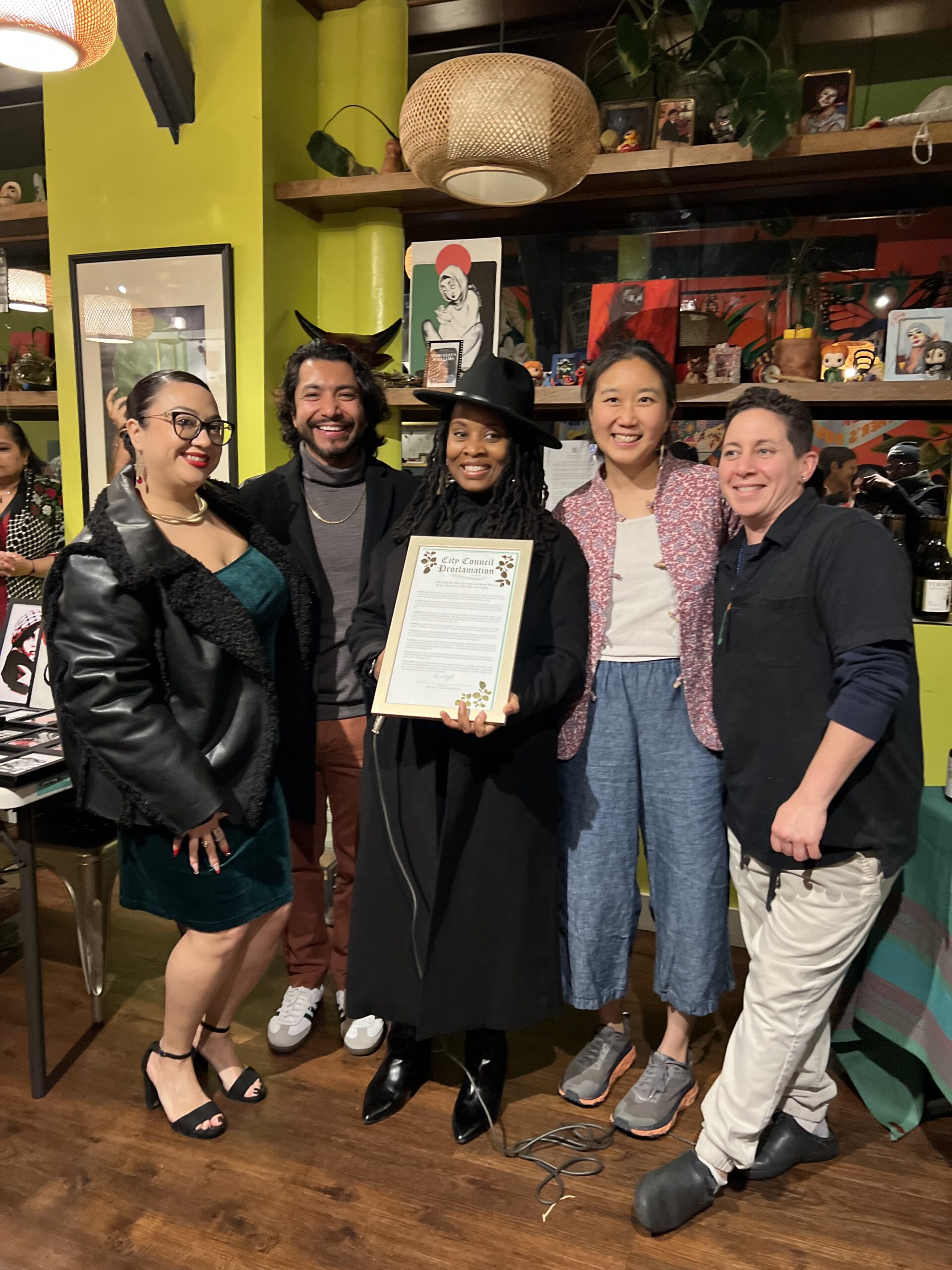
Organizing in Oakland Chinatown
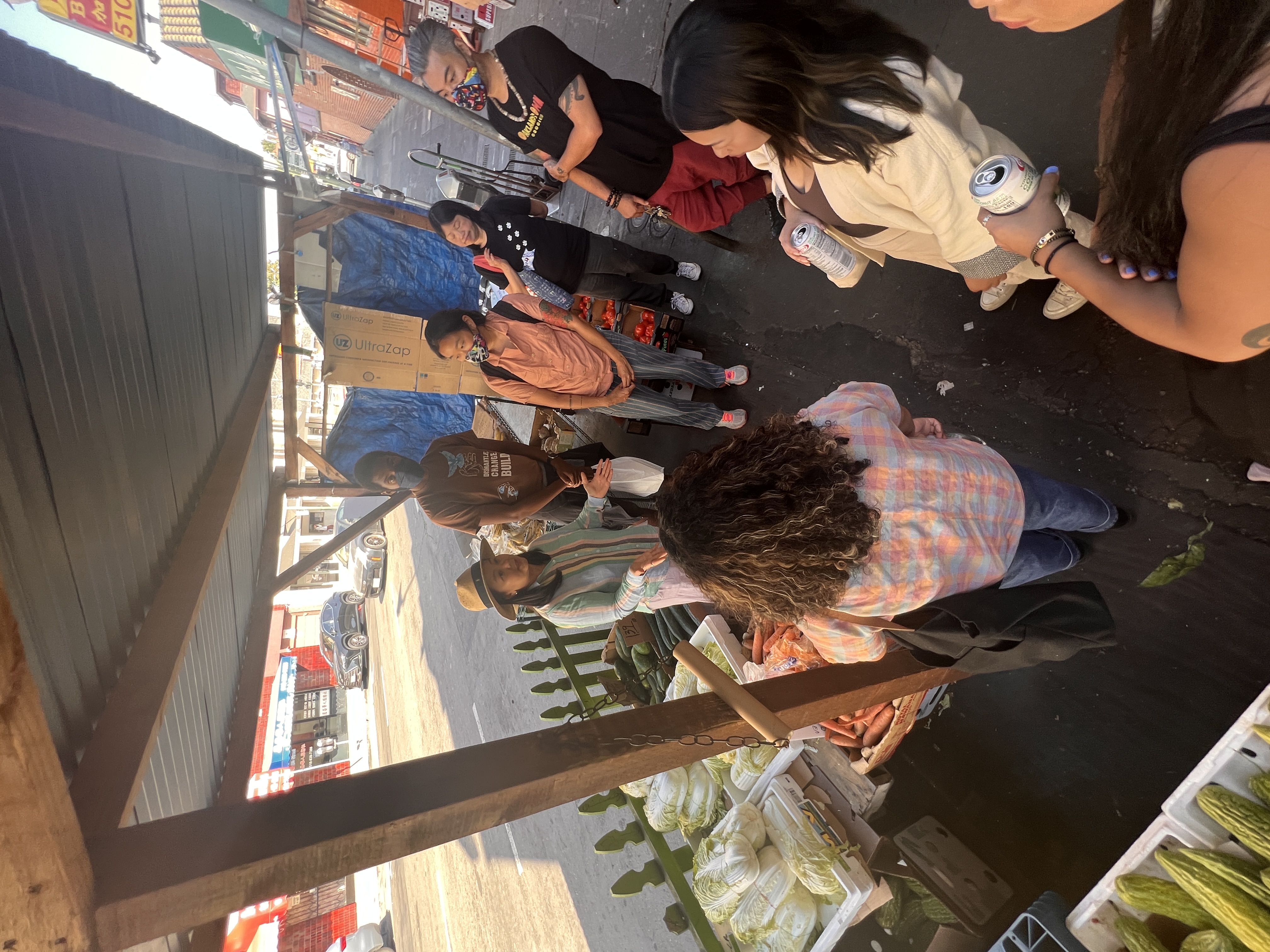
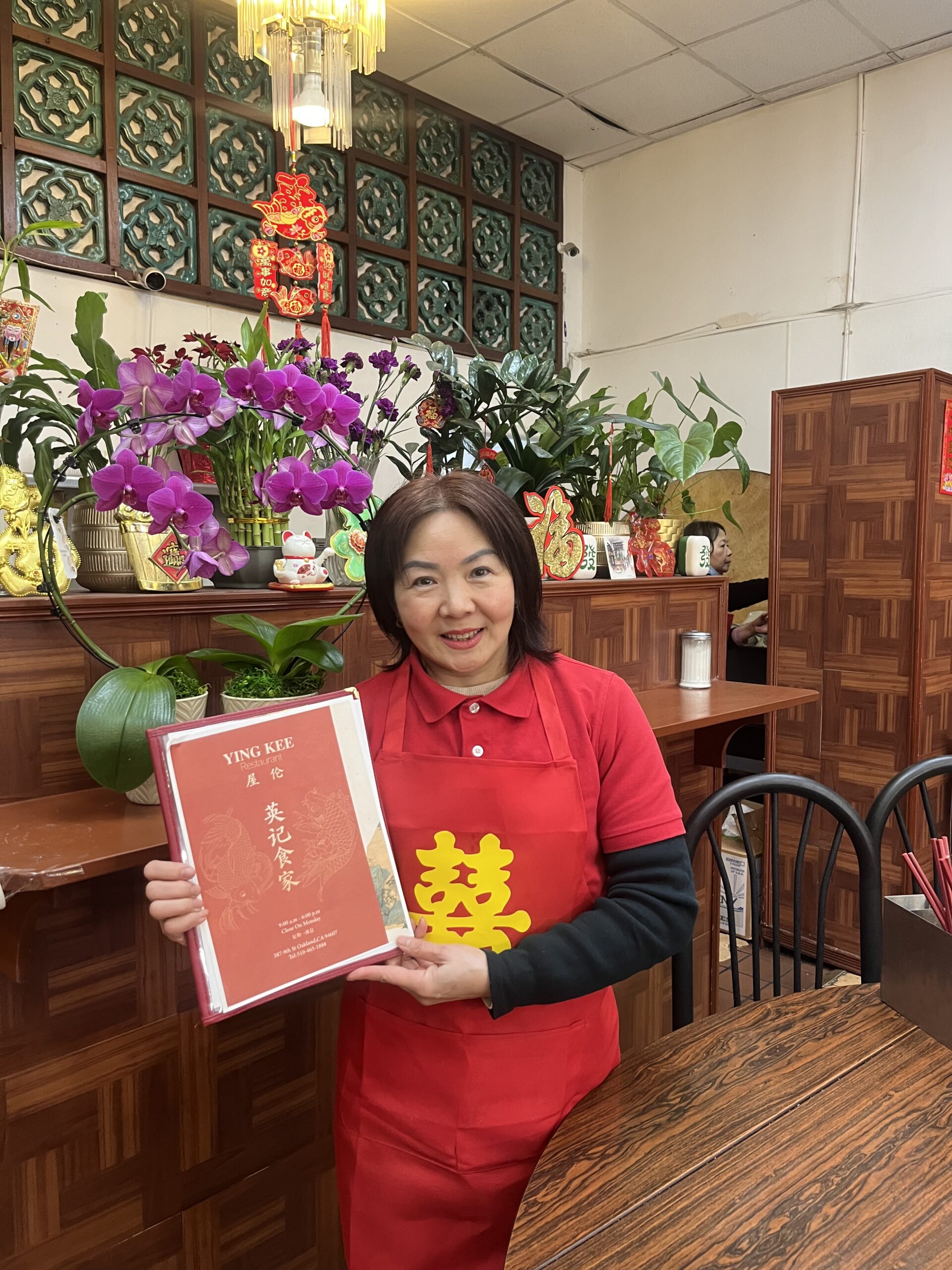
Oakland Chinatown has been our operating home since 2017. It remains an important working-class immigrant neighborhood in Oakland, with generations of legacy businesses keeping food traditions alive, as well as an important resource for new immigrants and immigrant elders – particularly from China and Vietnam. Oakland Bloom works to support local grocers, and food and cultural businesses through our public events and storytelling work in the neighborhood, and through sourcing from -and investing in – our local food ecosystem.
2017
Moving to Oakland Chinatown
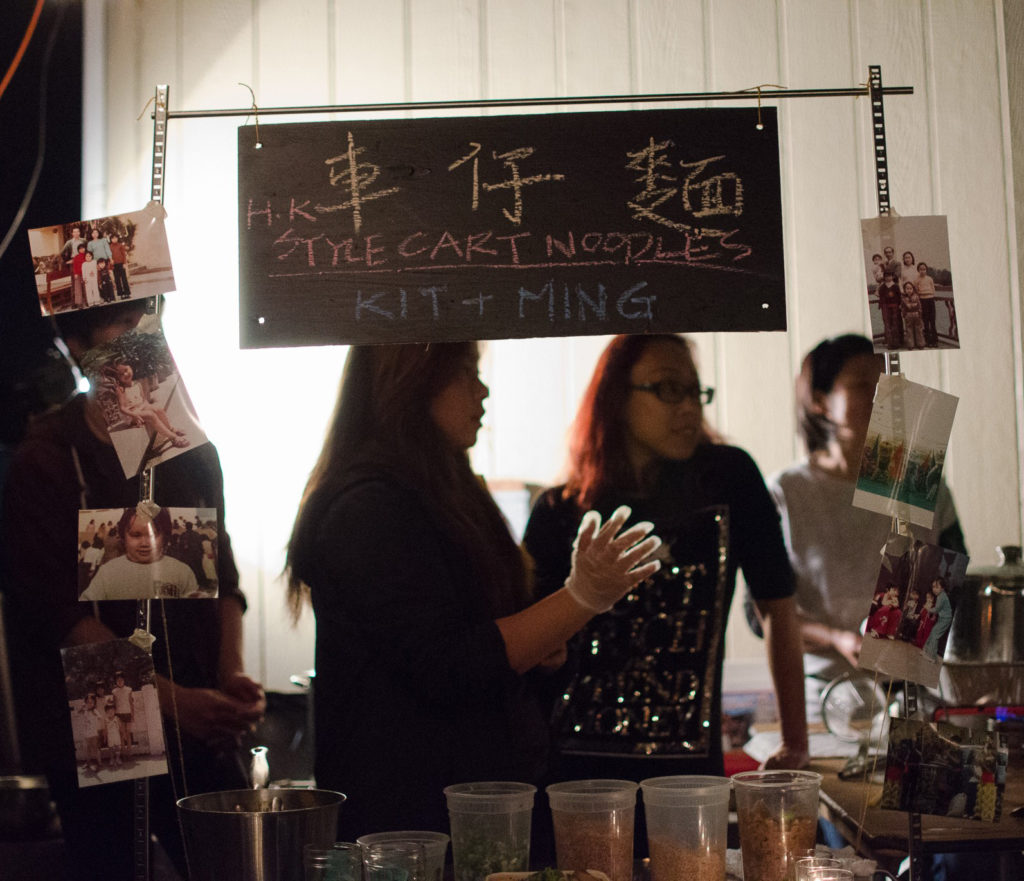
Oakland Bloom’s program kitchen and night market series take root in Oakland Chinatown
2018-2019
Lincoln Summer Nights
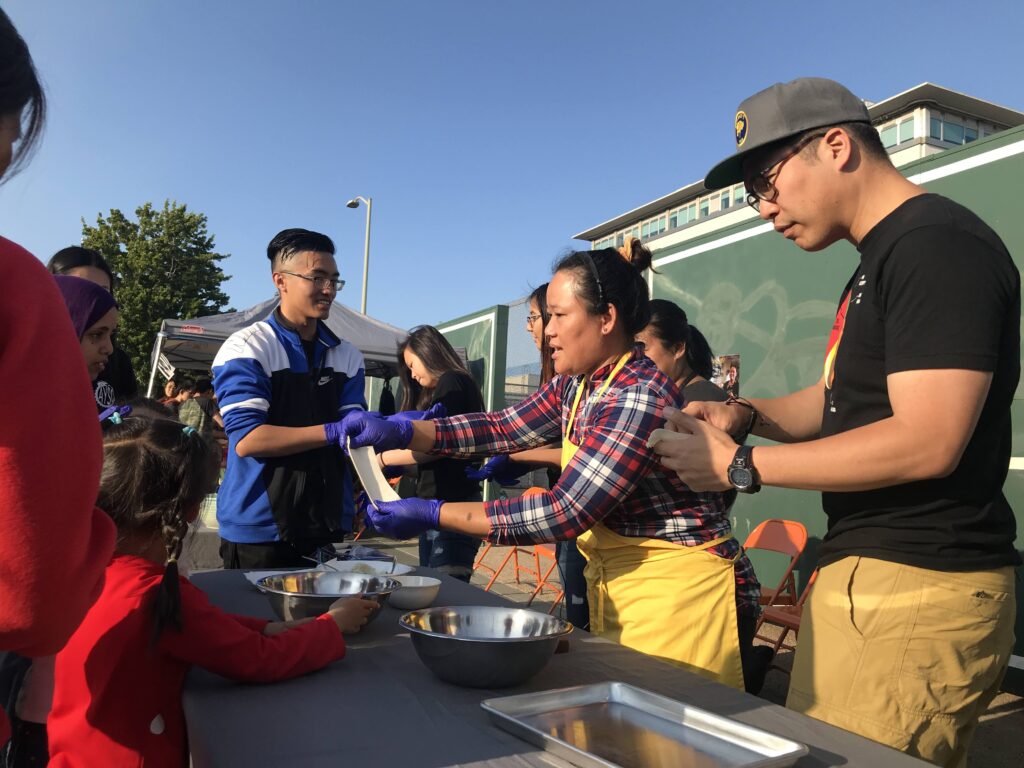
Oakland Bloom chefs lead community demonstrations at Lincoln Summer Nights and Asian Branch Library
2019
Organizing with Small Businesses
Oakland Bloom, Civic Design Studios and local merchants begin organizing around shared priorities: confronting Health Department discrimination and developing events to support local businesses.
2020-2022
COVID Response
Oakland Bloom seeds Good Good Eatz – a project sharing the stories of neighborhood merchants and helping businesses pivot during the pandemic.
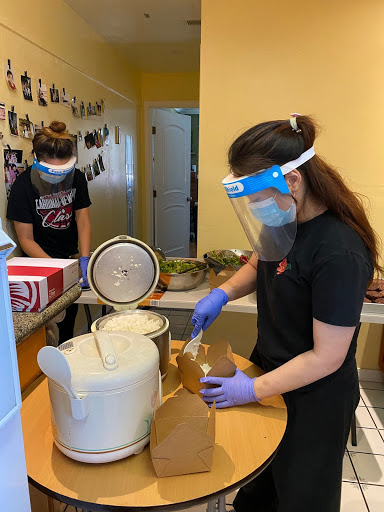
Alongside this, Oakland Bloom organized mutual aid food distributions that connected both chefs in our community and small businesses in the neighborhood to support food security and access to PPE during the public health crisis.
2023-
Launching the Lantern Festival
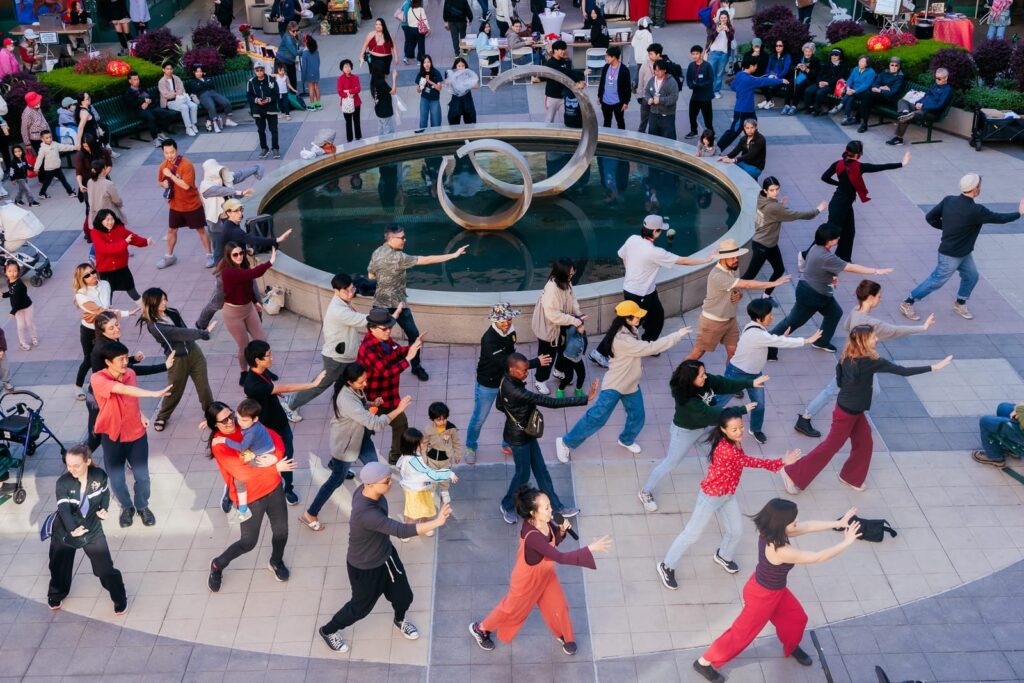
Oakland Bloom partnered with Sticky Rice Club – and in 2023 Civic Design Studios and Cut Fruit Collective – to cohost the Lantern Festival in Oakland Chinatown. This festival brings together Oakland Bloom chefs, Chinatown merchants, artists and healers to welcome the Lunar New Year grounded in shared intentions, and community. These events intentionally focus on evening programs, to invite community back into the neighborhood at night.
From 2024, Oakland Bloom and Sticky Rice Club continue to host the Lantern Festival annually with growing numbers of engagement across small businesses, chefs and community members.
2024-
Rebuilding with Workers, Residents and Businesses
Between events, Oakland Bloom convened with local shop owners to discuss their priorities — from transportation planning, safety, immigrant rights, oral histories and storytelling.
2025-
Open Test Kitchen Community Pantry
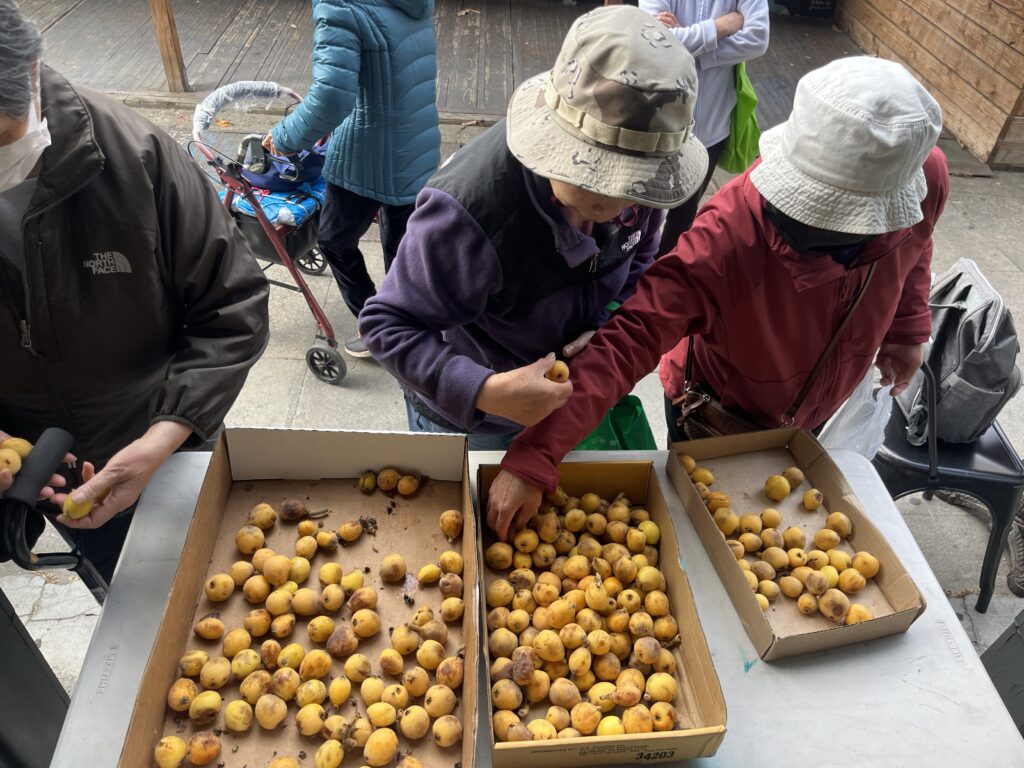
In the wake of SNAP freezers leaving many low income residents without food assistance, Oakland Bloom began to source from Chinatown businesses and local farmers to host a community food pantry at our space, Open Test Kitchen.
2025-
Bridging Communities
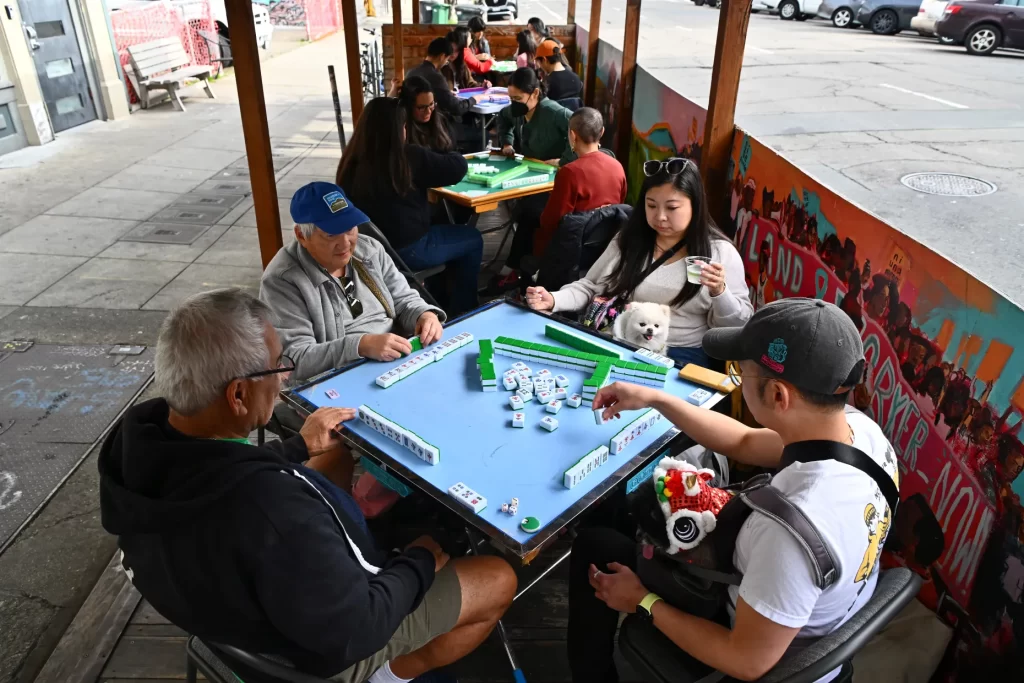
Open Test Kitchen events bridge and showcase Oakland Chinatown traditions, specialty items and businesses